Rat Control in
Cow Hollow, San Francisco
Rat control in Cow Hollow — trapping, rodent exclusion, and ongoing monitoring for the Edwardians, multi-unit buildings, and Union Street restaurants between Lyon and Van Ness.
Why rats are a problem in Cow Hollow.
Cow Hollow is wall-to-wall Edwardians and 2–4 unit buildings on long blocks between Lyon and Van Ness. Foundations have settled, rear yards back up to neighbors on three sides, and the lush landscaping running right against the walls keeps rats covered as they work the perimeter at night. Once one building has activity, the next two usually do.
Union Street is a continuous restaurant and retail corridor with rear alleys feeding directly into the residential blocks behind. Trash enclosures in those alleys are tight, lids don't always seal, and grease deposits track along the back walls of the restaurants. We see consistent activity in the residential units that share rear lot lines with Union Street.
Common signs in Cow Hollow buildings
- Scratching in walls or ceilings after 10 p.m.
- Droppings near food storage and under sinks
- Activity in garages and basement storage
- Grease marks along baseboards in pantries
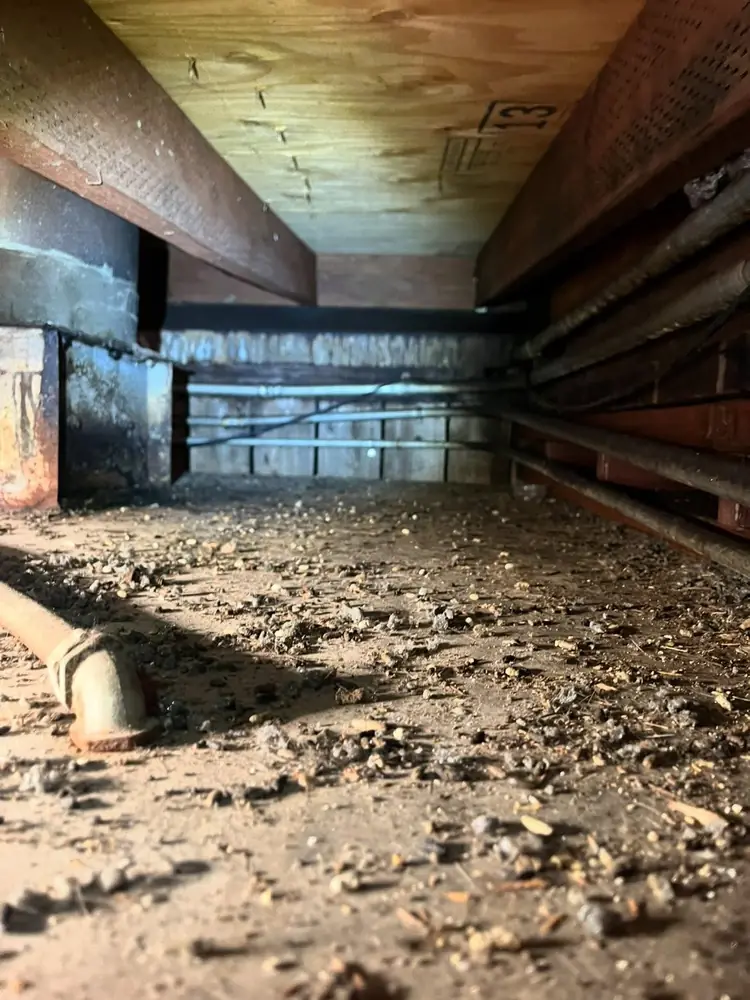
What we run into on Cow Hollow jobs.
Real patterns from rat control work in Cow Hollow — buildings, streets, and the entry points that keep coming back.
A common call we get in Cow Hollow: a two-unit Edwardian on Filbert or Greenwich. The downstairs neighbor hears scratching along the kitchen wall, and the upstairs neighbor hears it above the bedroom ceiling at night. It's the same rats — they're using the pipe chase that runs between both kitchens, getting in through an unsealed gap around the gas line on the side of the house. We trap inside the chase and close the gap with metal so they can't come back through it.
On the residential blocks right behind Union Street, rats move out of the restaurant alleys and into the back yards every night. On the home side, they're usually slipping in through a crack in the foundation or a rusted-out vent under the house. Our first step is sealing the building so nothing else gets in. After that, we walk the yard with the owner and show them the spots — overgrown plantings against the wall, an open compost bin, a gap under the fence — that are pulling rats in from the alley in the first place.
Side-of-building gas and electrical penetrations
When utilities get re-run on a Cow Hollow Edwardian, the original penetration usually gets re-foamed instead of sealed in metal. Rats chew foam in one night. We replace it with hardware cloth and mortar.
Rear-yard landscaping against the foundation
Hedges and ground cover planted right against the wall give rats cover all the way around the building. We identify the contact points and recommend a 12-inch clear zone along the foundation as part of the long-term fix.
Crawl-space vents and access doors
Original galvanized vent screens have rusted through on most Edwardians. Crawl-space hatches no longer seat tight. We replace the screens in heavy hardware cloth and add a gasketed door so the crawl is actually sealed.
Union Street rear alleys
Restaurants and retail share rear access with the residential blocks behind. We coordinate with the property owner so trapping covers both sides of the lot line and the food source isn't ignored.
Our rat control process in Cow Hollow.
This is not basic pest control. We trap, we seal, and we follow up — built for the way San Francisco buildings actually fail.
1. Inspection
Full walkthrough — interior, exterior, crawl space, roofline, conduit penetrations, and trash areas.
2. Strategic trapping
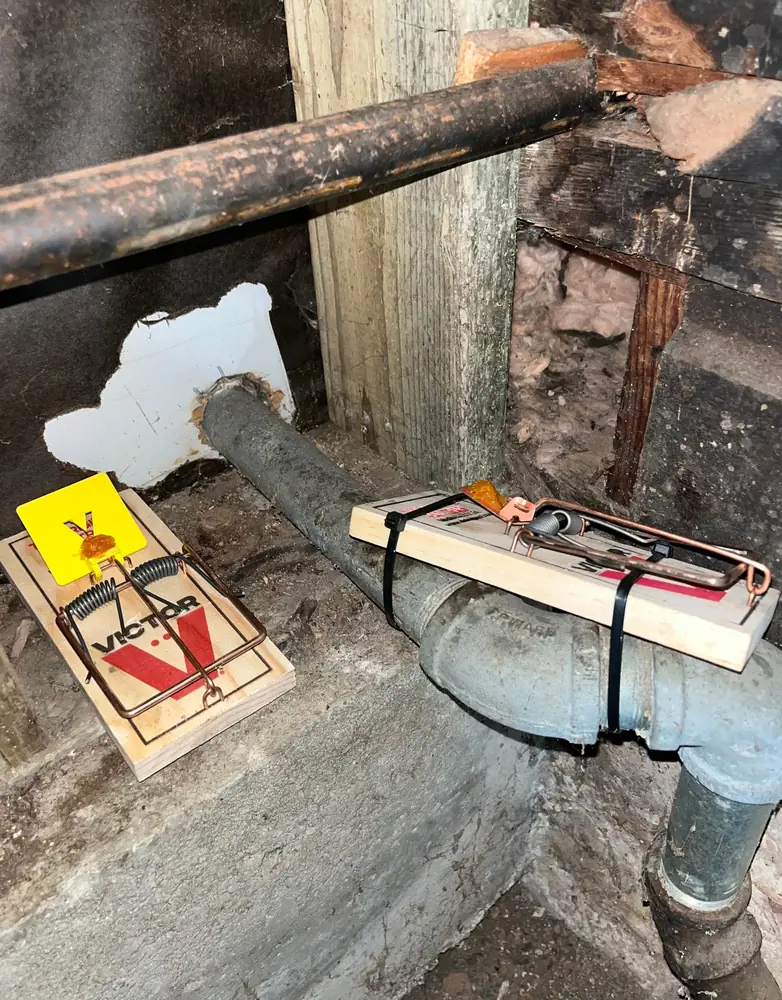
Snap traps placed on active travel paths — along conduit, inside walls when needed, and at entry points.
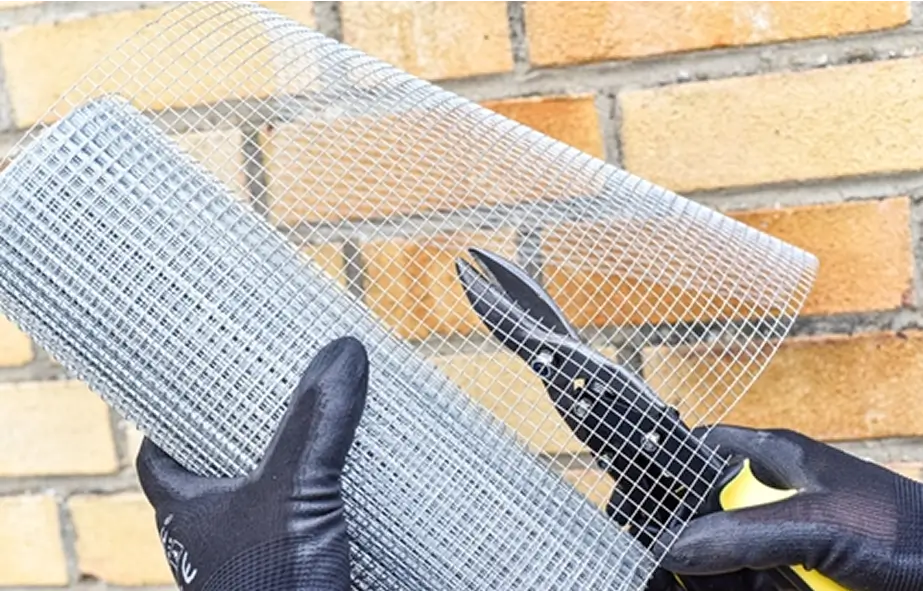
3. Rodent exclusion
Hardware cloth, mortar, and proper sealing of every gap rats are using to get in. The fix that actually lasts.
4. Monitoring & follow-up
Return visits to verify activity is gone and to lock down anything new before it becomes a problem.
Why Cow Hollow calls OHH RATS!
Direct operator — no crews
You work with the owner. Same person on the inspection, the trapping, and the exclusion.
Real results on heavy infestations
We've handled long-running problems other companies couldn't close out.
San Francisco experience
Victorians, Edwardians, garden apartments, restaurants and HOAs — we know how SF buildings fail.
No shortcuts — trap and seal
We don't lean on bait stations or quick fixes. We remove the rats and we close the entry points.
Rat control services in Cow Hollow.
Full-service rodent control for residential and commercial properties — built around long-term results.
Rat Removal
Active trapping until the property is clear.
Rodent Exclusion
Mesh, mortar, sealing — the long-term fix.
Monitoring & Maintenance
Recurring visits so it stays solved.
Commercial + Residential
Restaurants, apartment buildings, and homes.
We also serve neighborhoods near Cow Hollow.
Rat control and rodent exclusion across the surrounding San Francisco neighborhoods.
What San Francisco clients say.
"John did an excellent job resolving a mouse issue in a commercial kitchen. He arrived promptly, diagnosed the problem immediately, and had it resolved within two days using a few strategic traps. He is clearly very knowledgeable and experienced. Highly recommend his professional services!"
"John is a hardworking, incredibly diligent rodent control expert. He came to the site multiple times in the cold, rainy, dark and thoughtfully put together a plan to mitigate the problem. Thank you."
"John is very easy to work with and clearly passionate about what he does. He took the time to understand the root cause of our rat problem and focused on solving it properly, not just putting a temporary fix in place. Professional, knowledgeable, and thorough. I would absolutely recommend John to anyone dealing with rats and wanting the problem handled the right way."
Rat control questions, answered.
How do rats get into walls?
+
Through gaps around pipes, conduit, foundation cracks, vents, rooflines, and unsealed crawl-space access. Rats only need a hole the size of a quarter to squeeze through, and SF buildings are full of them.
How quickly can a rat infestation grow?
+
Fast. A single pair can produce 5–8 litters a year, with 6–12 pups per litter. A handful of rats becomes a serious problem in a matter of months if entry points aren't sealed.
Do traps alone solve the problem?
+
No. Trapping removes the rats currently inside, but if the entry points stay open new rats move in. Real rodent control combines trapping with exclusion — sealing every gap they're using to get in.
What is rodent exclusion?
+
Rodent exclusion is sealing the building so rats physically can't get back in. We use hardware cloth, mortar, sheet metal, and proper sealants on every entry point we identify during inspection.
Do you service restaurants and apartment buildings?
+
Yes. We work with restaurants, apartment buildings, HOAs, and property managers throughout San Francisco — discreet service, after-hours availability, and documentation when you need it.
Why do Cow Hollow buildings keep getting reinfested?
+
Because rats come from the next building over. If your building is sealed but the building behind you isn't, rats will keep working the perimeter looking for the gap that re-opens. Long-term control here usually means sealing the building and addressing the rear-yard food sources.
Do you work with HOAs and small multi-unit buildings?
+
Yes. Most of our Cow Hollow work is 2–6 unit buildings. We coordinate with the HOA or owner, schedule interior work around tenants, and document the work for board records.
Local. Direct. Done right.
OHH RATS! is San Francisco–based, owner-operated, and built for properties like yours. Call or text for a real conversation about your rat problem in Cow Hollow.
Don't wait until
it gets worse.
Rat populations grow fast. Call or text OHH RATS! and get rat control in Cow Hollow handled right the first time.